How GPS Tracking Aids Rental Returns
April 27, 2026 · 9 min read
How GPS Tracking Aids Rental Returns
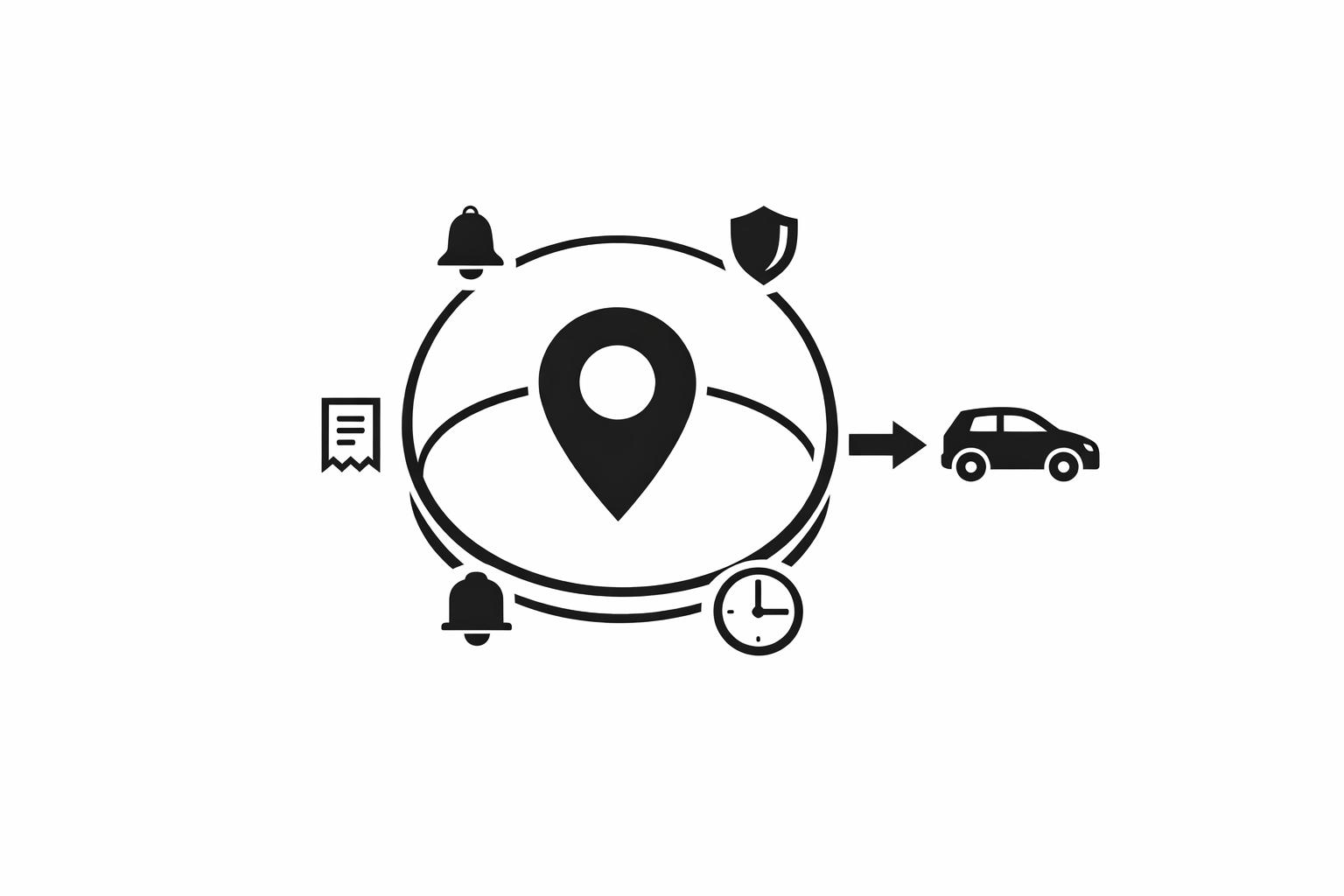
GPS tracking simplifies rental returns by [automating key processes](https://www.lockii.app/post/7-ways-to-automate-rental-business-operations) and ensuring accuracy. It provides real-time asset location, reduces disputes, and improves efficiency for contactless systems. Here's what it brings to the table:
- Real-Time Monitoring: Always know where your rentals are, even during off-hours.
- Automated Alerts: Instant notifications for overdue returns keep everyone informed.
- Geofencing: Set virtual boundaries to prevent theft and track unauthorized movements.
- Streamlined Returns: Self-service portals detect returns automatically and guide customers through the process.
- Accurate Billing: GPS logs ensure precise invoices based on usage and return time.
This technology not only saves time and money but also enhances customer trust while protecting your assets. Rental businesses using GPS tracking often see faster returns, better recovery rates, and fewer disputes.
How Rental Companies Track You Across State Lines | AutoRentals.com
::: @iframe https://www.youtube.com/embed/p2IRwIR1Dd0 :::
How GPS Tracking Improves Rental Returns
GPS tracking simplifies the rental return process by offering continuous, automated asset visibility. Instead of depending on manual check-ins, the system tracks assets automatically, cutting down on labor needs - a game-changer for contactless, around-the-clock operations.
The real advantage lies in automation. With GPS data, disputes over late fees or claims like "I returned it on time" become a thing of the past. Beyond that, it helps detect unauthorized use and provides real-time insights into your fleet. Here's a closer look at how features like real-time tracking, automated alerts, and geofencing make returns smoother.
Real-Time Location Monitoring
With real-time tracking, you always know where your rental assets are. Whether it's a trailer overdue in a customer's driveway or a scooter being returned at an odd hour, the system keeps you updated. This is especially useful for [staffed vs contactless rental models](https://www.lockii.app/post/staffed-vs-contactless-trailer-rental-cost-analysis), where no staff is present to oversee returns. From a single dashboard, businesses can monitor their entire fleet, identify delays, and address potential issues before they lead to revenue losses.
Automated Alerts for Late Returns
Real-time tracking pairs seamlessly with automated alerts to boost efficiency. GPS systems send instant notifications when an asset becomes overdue. These alerts go to both the business and the customer, keeping everyone informed. Instead of staff chasing down late returns, the system does the work. Customers get timely reminders, businesses stay updated, and there's complete clarity on the asset's status.
Geofencing for Asset Recovery
Geofencing creates virtual boundaries around designated areas - whether that's your rental lot, a city limit, or state borders like the US-Mexico line. If an asset crosses these boundaries, the system sends an immediate alert. This feature is invaluable for preventing theft and unauthorized use. For example, if a trailer moves beyond a 50-mile radius or crosses state lines without permission, you'll know right away. In such cases, law enforcement can use live GPS data to quickly recover the asset, turning potential losses into recoverable situations. Businesses can also set layered geofences, such as a small boundary around the lot for automatic check-ins and a larger one to monitor long-distance travel without authorization.
Combining GPS Tracking with Digital Rental Tools
Integrating GPS tracking with digital rental tools takes the hire-end process to the next level by automating key steps like returns and invoicing. When GPS tracking is built into digital rental platforms, it can trigger actions automatically - like starting the return process or generating invoices - without the need for manual input.
Modern GPS systems often come with APIs that allow seamless integration with rental management software. This means data like location, mileage, and usage flows directly into a centralized dashboard. This level of automation is essential for those looking to create a franchisable rental company with standardized, scalable systems. For businesses that operate contactless, 24/7 rental services, this integration is a game changer. It eliminates the need for staff to manually log returns or inspect asset conditions. Let’s explore how digital tools amplify these GPS capabilities through features like hire-end quizzes, self-service portals, and automated logs.
Hire-End Quizzes and Condition Verification
Pairing GPS tracking with hire-end quizzes and return photos creates a clear, objective record of each rental's conclusion. When a customer returns an asset, GPS confirms the exact time and location, while the digital platform prompts the customer to complete a quiz and upload photos of the asset's condition. This process provides time-stamped evidence, reducing the chances of disputes over the return or the asset’s condition.
Telemetry data adds another layer of accuracy. Advanced systems can integrate telemetry information - such as fuel levels or engine diagnostics - with GPS tracking. For instance, if a customer claims they returned the asset with a full tank, telemetry logs can verify this in real time. Lockii, a rental management solution, combines GPS, telemetry, and customer-submitted data (like photos and quiz responses) to build a complete, dispute-proof record of each return.
Self-Service Return Portals
Geofencing technology makes self-service returns seamless. When an asset enters a designated return zone, the portal detects it and automatically initiates the return process. Customers are then prompted to complete steps like uploading photos, answering condition-related questions, or confirming mileage.
Lockii’s return portal integrates GPS tracking to verify the asset’s return and automate the next steps. Through mobile apps, customers can secure parked assets while GPS confirms they are in the correct location. This setup allows for fully contactless returns at any time, removing the need for in-person staff.
Automated Invoicing and Return Logs
GPS data also simplifies invoicing by generating detailed return logs. These logs include precise timestamps, mileage, and usage hours, which feed directly into invoicing systems. For example, if an asset was used beyond its scheduled rental period - even if it was parked on the customer’s property - GPS data ensures proper billing by capturing the extra usage. This prevents revenue loss from underreported usage and provides clear documentation in case of disputes.
Lockii automates the entire process, using GPS-verified data to generate accurate invoices and securely store return logs in the cloud. These logs are easy to access and provide a reliable audit trail, saving time and reducing administrative burdens for rental businesses.
Measuring the Impact of GPS Tracking on Rental Operations
::: @figure GPS Tracking Impact on Rental Operations: Before vs After Comparison{GPS Tracking Impact on Rental Operations: Before vs After Comparison} :::
GPS tracking brings measurable improvements to rental operations, from faster returns to better asset recovery. These tangible benefits often lead to a quick return on investment, with many businesses recouping costs within the first six months of implementation [4]. In fact, recovering just one stolen asset can often pay for the entire system for years [4].
Before and After GPS Integration
The difference GPS tracking makes is clear when comparing operations before and after its integration. Without tracking, rental businesses often rely on manual processes, which can lead to late returns, misplaced assets, and billing disputes. GPS tracking addresses these challenges with real-time monitoring and automated alerts.
| Metric | Before GPS Integration | After GPS Integration | | --- | --- | --- | | Asset Location Time | Up to 2 hours without tracking [3] | Immediate location via live tracking map [3] | | Return Compliance | Dependent on customer memory; frequent late returns [3] | Proactive reminders sent based on real-time distance from HQ [3] | | Maintenance Tracking | Guesswork or manual logs; higher risk of breakdowns [3] | Based on actual runtime and condition reports [3] | | Theft Recovery Rate | Less than 25% recovery for stolen items [1] | Nearly 100% recovery for tracked assets [1] | | Recovery Time | Days, weeks, or never [1] | Often under 1 hour [1] | | Billing Accuracy | Manual tracking leads to disputes [3] | Automated runtime logs and activity mapping [3] |
Real-world examples highlight these improvements. One rental company, for instance, recovered a stolen asset within an hour using geofence alerts [1]. Wade Flaming, owner of Adventure Boat Rentals, shared his experience:
"It helps us to get the boats returned on time, and avoids any late evenings for the employees" [3].
Beyond theft recovery, GPS tracking also cuts down on operational waste. For example, reducing just 30 minutes of unnecessary idling per day across 50 vehicles can save over $20,000 annually in fuel costs [4]. With equipment theft costing over $1 billion each year [1], GPS tracking is more than a tool - it's a critical investment for safeguarding high-value assets.
These operational improvements don’t just benefit businesses - they also enhance the customer experience.
Customer Feedback on GPS-Enabled Rentals
The operational gains from GPS tracking lead to happier customers. Renters appreciate the transparency and convenience it offers. Real-time tracking lets them monitor their rental status and get accurate arrival times, cutting down on the need for status-check calls [2]. Self-service portals that incorporate GPS data allow customers to return equipment anytime without waiting for staff assistance.
Business owners also report greater peace of mind. Annie Morris, who owns Island Golf Cart Rentals, shared:
"After experiencing some theft, we now have a tracker on each one of our golf carts. So, while it's out, we know exactly where it's at" [3].
This added visibility reassures customers as well, ensuring their rentals are secure and returns are easy. Combined with tools like hire-end photos and condition quizzes, GPS tracking creates a clear, reliable record that protects both the business and its customers.
Conclusion
GPS tracking transforms rental returns by streamlining processes and cutting down on both time and expenses. The advantages are straightforward: it provides instant asset location, automates return logs through geofencing, and ensures precise billing with real-time trip data. These features not only reduce labor costs by eliminating manual tracking but also help resolve disputes with verified records of usage and returns.
Beyond operational improvements, GPS tracking offers financial perks. It can lead to insurance and lender discounts by reducing risks like theft and misuse. Plus, using runtime data for proactive maintenance extends the life of equipment and helps avoid expensive breakdowns.
For rental businesses aiming to grow without increasing staff, automation through GPS tracking is a game-changer. Lockii integrates this technology into a seamless, contactless rental platform that supports 24/7 pickups and returns with best smart locks, automated SMS/email notifications, and self-service portals. Alerts from GPS trackers notify you when assets enter or leave specific areas, while maintenance tracking ensures servicing happens only when necessary, based on real-time data.
This blend of GPS tracking and automation enables rental businesses to scale efficiently across multiple locations, avoiding the overhead tied to traditional operations. Whether managing trailers, bikes, or other equipment, real-time monitoring and automated processes provide a solid foundation for growth.
FAQs
::: faq
What rentals benefit most from GPS tracking?
GPS tracking proves incredibly useful for rentals that require smooth asset recovery, handling across multiple locations, or contactless operations. It’s a game-changer for managing equipment like construction tools, surfboards, and vehicles such as bikes, scooters, trailers, and cars. By providing real-time location updates, GPS tracking minimizes the chances of loss or theft while helping businesses streamline their operations - especially those overseeing large fleets or assets spread across vast areas. :::
::: faq
How does GPS prove an item was returned on time?
GPS technology keeps a precise record of trip details, including the exact time and location of when a rental starts and ends. This provides clear, reliable evidence that an item was returned on time, making the rental process more accurate and straightforward. :::
::: faq
What does it take to add GPS data into my rental software?
Integrating GPS data usually involves using a compatible GPS tracking device or module that sends location information to your software. With Lockii, this process is much easier thanks to its built-in GPS tracking capabilities and APIs designed for effortless integration. For step-by-step guidance specific to your rental operations, you can refer to Lockii's documentation or reach out to their support team for assistance. :::